
The Quiet Art of Editing Ourselves

Why we “cover” who we are — and how we start to reclaim it
Salam Happy Minds! If you’ve read any of my bloggies before (yes, I’m still calling them bloggies and I won’t be taking questions at this time), you’ll know I’m a sucker for a good TED talk, a juicy podcast episode, or anything that sends me spiralling into a bit of existential navel-gazing. Lately, it’s been Hidden Brain that’s got me deep in my feelings — and one episode in particular genuinely made me pause mid-dog walk and mutter “oof” out loud into the countryside.
It was about something called covering. Also known as masking or code-switching.
So… What Is Covering, Exactly?
Legal scholar Kenji Yoshino describes it as the subtle way we downplay aspects of our identity to blend in. Not full-on hiding, not denying. Just tweaking ourselves so we fit more neatly into the room we’re in. It’s the Black woman who straightens her hair to align with white beauty standards. The gay man who talks about his “other half” but doesn’t mention he’s married to a man. The mum who doesn’t dare mention nursery pick-up times for fear of being seen as ‘less committed’ to the job.
And it resonated pretty damn hard.

When Fitting In Means Shrinking Down
As someone who suspects they’ve been living with undiagnosed ADHD for most of their life, I recognised just how much quiet covering I’ve done without even realising. Holding back that too-fast idea in a meeting. Rewriting a message five times to make sure I sound ‘together’. Trying to keep my brain in a box it absolutely does not want to be in. It’s exhausting, honestly. And I’m pretty sure I’m not the only one. Turns out, I’m definitely not.
Yoshino’s original study with Deloitte (Uncovering Talent, 2013) revealed that covering was one of the big, invisible blockers to workplace inclusion. Ten years later, a new report — Uncovering Culture — shows that actually nothing’s really changed. If anything, we’re all still doing it.
Spoiler: Everyone’s Doing It
The latest data (from over 1,200 people across five major U.S. industries) found that covering is everywhere. Not just among traditionally marginalised groups. A full 54% of white men surveyed admitted to covering in some way.
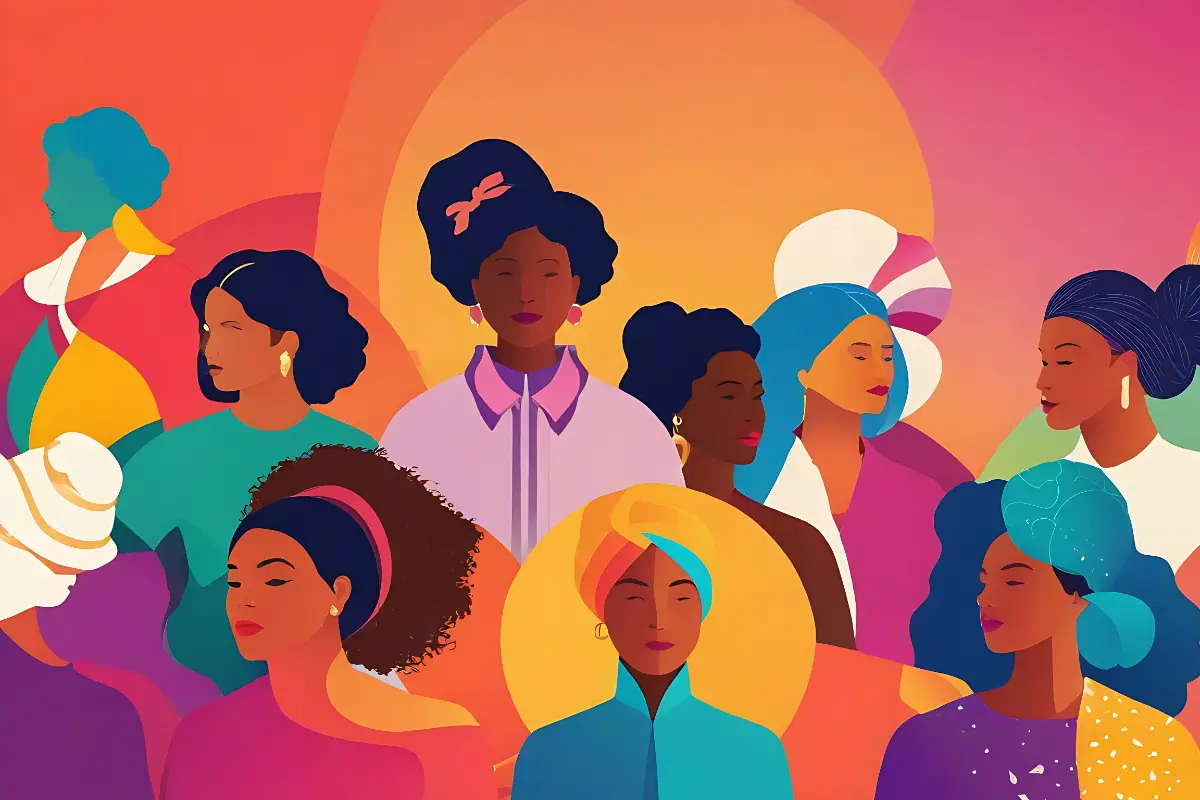
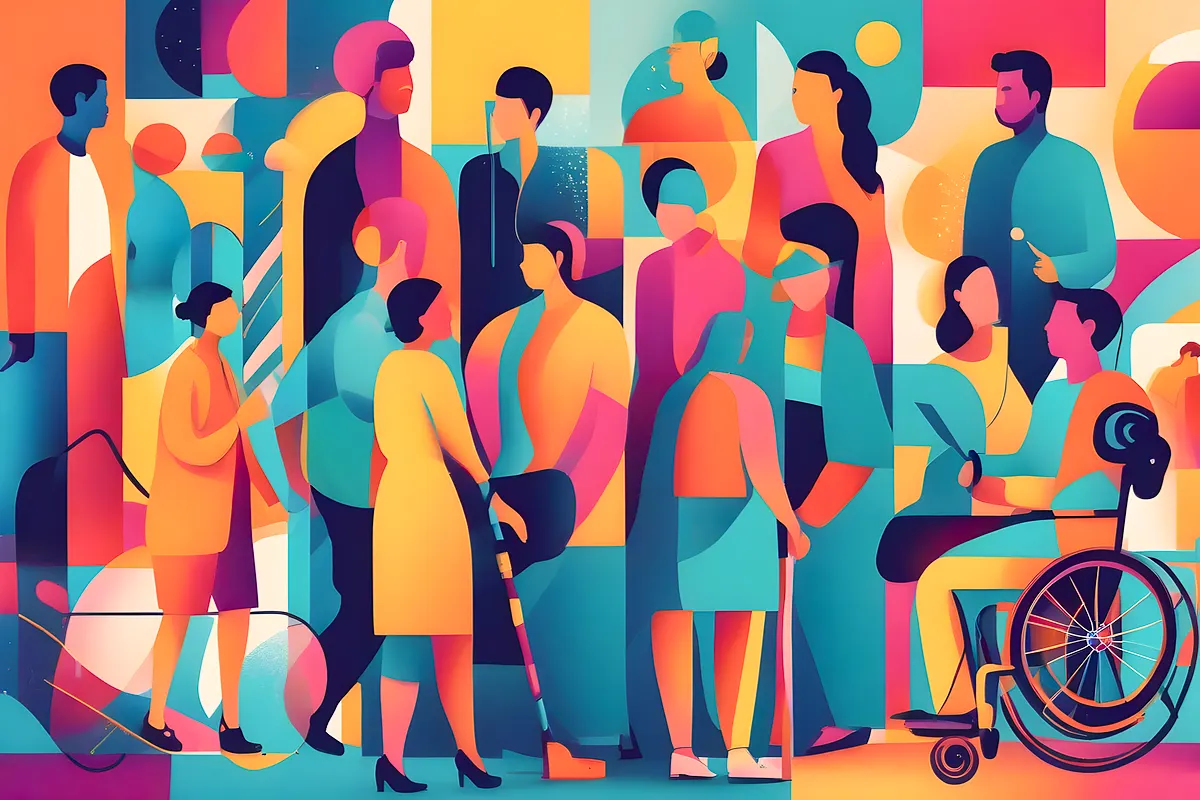
And it’s not just one thing. People cover multiple parts of their identity – a religious or spiritual belief, age, an accent, a hidden disability, for example. Others cover “by proxy,” like the parent of a trans child who doesn’t speak up for trans rights at work, afraid of reputational risk.
Yoshino puts it simply:
“The message we want to draw from the study is no cohort is immune from the covering demands, so don’t make assumptions.”

The Hidden Cost of Hiding
But this is the bit that really stuck with me. The emotional toll. The slow, subtle way this kind of identity editing chips away at your sense of self. You start wondering if people like you for you, or for the version you’ve curated for them. You start to feel lonely. Disconnected. Small.
Because the way I see it:
And while it’s tempting to offer up a neat self-help solution — just be your full authentic self! Woo! — the research actually points somewhere more radical.
How to Create a Culture Where People Can Uncover
Yoshino now insists the burden doesn’t belong on individuals. He says: “It’s not up to individuals, the least empowered people in these exchanges, to transform the culture that they’re working in. It’s actually up to the organizations themselves.”
YES. THANK YOU. Because how often have we told people to be brave, be bold, be authentic, while ignoring the fact that the environment hasn’t changed? That it might still punish them for doing exactly that? So what does actual change look like?
The report outlines a few starting points for workplaces:
- Diagnose covering: Create space to talk about it. Reflect with your team. Ask: are we rewarding sameness? Are we unconsciously asking people to leave parts of themselves outside?
- Model authenticity: When leaders share human, everyday truths (“I’m leaving early for my kid’s football match”), it sets a tone that invites others to show up more fully too.
- Practise active allyship: Notice when people are covering. Speak up, even if the person affected isn’t in the room. And when mistakes happen? Engage with generosity, not shame.
One of the researchers described allyship as a “broad-spectrum antibiotic” in the workplace. That’s such a brilliant image. Because when one person starts to uncover, it creates space for others to do the same. It becomes contagious in the best possible way.

We Weren’t Made to Be Origami
So what’s the upshot of all this? I think it’s this: It’s deeply human to want to fit in. But when fitting in means folding parts of yourself away – hiding what matters, shrinking your voice – something gets lost. For you. For your team. For the culture you’re part of.
And, honestly, writing this, I’m getting a little teary-eyed. Because I’ve done this for so long without even realising. And I know so many others have too.
If you’ve been covering lately, whatever that means for you, I see you. You’re not alone.
Time to stop folding ourselves up to fit in. We weren’t made to be origami.
Where to Go From Here?
If this topic sparked something for you (maybe made you think about the ways you’ve been covering, or how your workplace could do better) you don’t have to figure it all out by yourself. We deliver training sessions about Social Identity and how this subtle editing is damaging to inclusion and this idea of being authentic at work.
You might find real comfort in this episode of Hidden Brain. It’s called “Dropping the Mask”, and it’s full of insights, personal stories, and more than a few lightbulb moments. It’s a gentle listen that might just help you understand yourself a little more — and offer yourself a bit more empathy in the process.

A Few Small Ways to Start “Uncovering”
(little things that have helped me)
- Notice the moments you feel yourself shrinking. Is it with a particular person? In a certain setting? Start by getting curious.
- Share small truths. You don’t have to bare your soul. But casually saying “I find this a bit overwhelming — my ADHD brain’s on overdrive today” can start to open a door.
- Seek spaces where you don’t have to perform. That might be a trusted colleague, a Slack group, or just lunch with someone who gets it.
- Offer grace — to yourself and others. You’ve probably been covering for good reason. Survival, safety, acceptance. There’s no shame in that. Just try, little by little, to come home to yourself.

Resources to Share with Your Workplace
If you’re in a position to influence workplace culture (or want to share with someone who is), here are a few helpful links: