
Eating Disorders Awareness Week
Trigger Warning: This post discusses eating disorders and mentions the loss of a friend.
Bom Dia, Happy Minds.
I still think about Tash* sometimes. We were teenagers, and outwardly she seemed like one of the jolliest people I knew. But as time went on, it became clear that she was struggling in ways that none of us fully understood. We knew something wasn’t quite right, we knew she was losing weight. We knew that food and the absence of it seemed to take up more and more space in her life. I like to think now that if I had any idea at the time how serious and how dangerous an eating disorder could be, that I would do more. The reality is of course that myself and my friends could only do so much.
Her death wasn’t the direct result of an eating disorder, but it was impossible not to see the connection. Even after she had ‘gotten better,’ the toll it had taken on her body was still there, quiet, unseen. And that’s something we don’t talk about enough: recovery isn’t always the end of the story. Eating disorders don’t just go away when the outward signs disappear. The effects, physically, mentally, emotionally, can linger for years.

Tash’s story isn’t unique, this happens more often than we want to admit, not just to teenagers, but to adults, to parents, to colleagues, to people we love. And all too often, those around them simply don’t see it, don’t know what to say, or assume that eating disorders look a certain way. There’s an assumption that if they stop losing weight, then they’re cured, and we can all be spared the difficult conversations.
Eating Disorders Aren’t Always Visible
One of the most damaging myths about eating disorders is that they are always visible. The vast majority of people with eating disorders are not underweight. Conditions like binge eating disorder (BED), Atypical Anorexia, and OSFED (Other Specified Feeding or Eating Disorder) don’t always lead to extreme weight loss.
Many people struggle in larger bodies and are ignored or even encouraged to continue restrictive behaviours because of deeply ingrained weight bias.
Social Media Has Changed the Landscape & Not Always for the Better

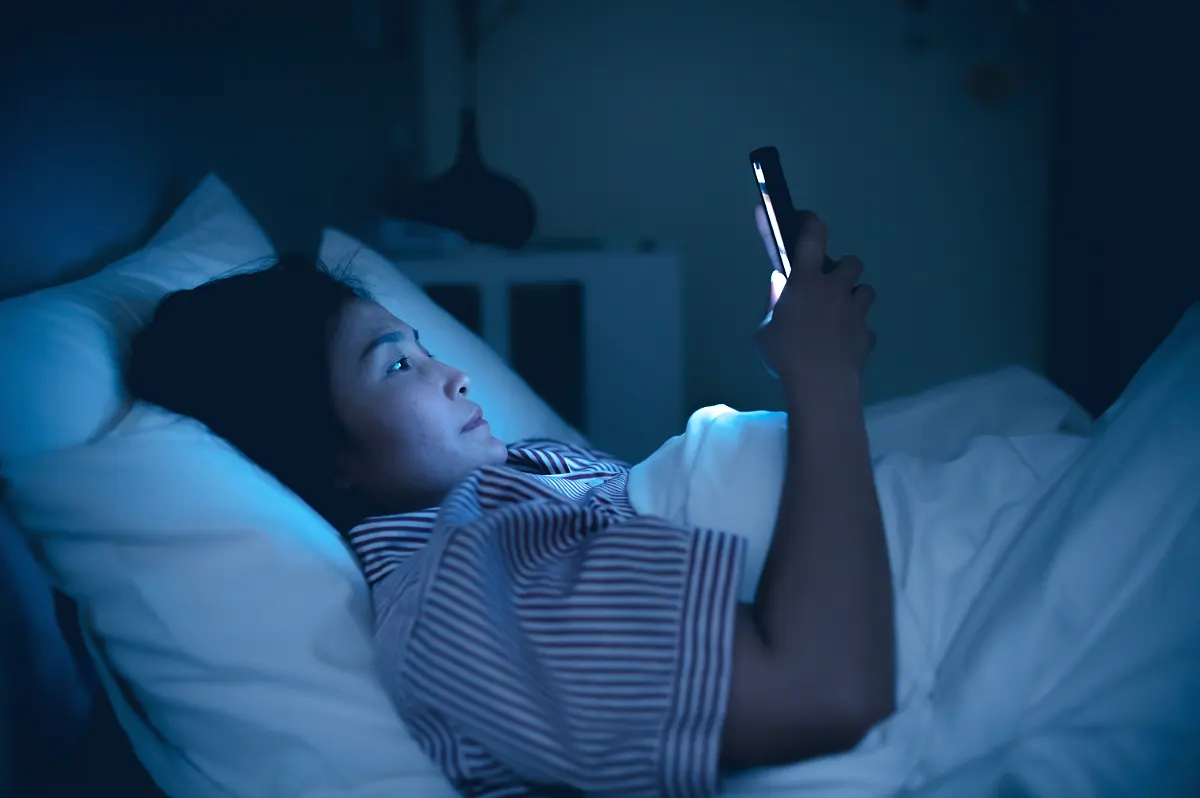
The internet has given us access to vital education, support communities, and stories of recovery that didn’t exist before. But it has also created new pressures that didn’t exist when I was growing up. AI-driven filters and beauty standards change so rapidly that it’s impossible to keep up, and there is a wealth of sinister content promoting disordered eating that masquerades as “health” or “fitness” advice from intermittent fasting trends to calorie obsession disguised as “wellness.”
The algorithm pushes extreme content—TikTok, for example, has been found to flood users with harmful weight-loss content within minutes of engaging with fitness or diet-related videos, and while social media alone doesn’t cause eating disorders, it absolutely fuels and reinforces them. For young people in particular, the pressure to conform to shifting beauty standards is relentless.
Eating Disorders Aren’t Just About Food or Vanity
Eating disorders are deeply psychological conditions often rooted in:
Control – When life feels chaotic, food (or the lack of it) can become the one thing a person feels they have power over.
Anxiety and trauma – Many people develop disordered eating as a coping mechanism for stress, grief, or unresolved trauma.
Sensory issues and neurodivergence – Some forms of disordered eating, like Avoidant/Restrictive Food Intake Disorder (ARFID), are linked to autism and sensory processing challenges.
The reality is that often the eating derived behaviours and corresponding physical changes are part of a deeper problem.

Recovery Isn’t Just About Eating More (or Less)
One of the most common misconceptions is that once someone “looks healthy” again, they must be fine. But recovery is far more than just gaining or losing weight. Many people struggle with intrusive thoughts, guilt, and anxiety around food long after their physical symptoms improve.
The language we use around food and bodies in workplaces, families, and social groups can make recovery harder. Casual comments like “I was so bad this weekend, I need to burn it off” can reinforce disordered thinking. Eating Disorders Awareness Week offers each of us the opportunity to recognise and challenge our own harmful narratives around food, as well as being mindful about how a seemingly innocuous comment might impact those around us.
Recovery isn’t a finish line, it’s an ongoing process. What people in recovery need most is patience, understanding, and an environment that doesn’t glorify disordered behaviours.

How to Take This Knowledge Forward
Now that you know more, the next step is thinking about how to apply this awareness in your own life—whether in the workplace, at home, or within your community.
At Work:
- Be mindful of diet talk, weight-based wellness challenges, and appearance-focused comments.
- Encourage mental health support and flexible work arrangements for those recovering from eating disorders.
- Make food-inclusive events optional – no pressure, no assumptions.
At Home:
- Be conscious of how you talk about food and bodies, especially around children.
- Challenge harmful beauty standards and social media norms in conversations.
- Offer support, not judgement, if a loved one is struggling.
In the Community:
- Share factual, stigma-free information about eating disorders.
- Support organisations providing treatment and resources.
- Speak up when you see harmful content, misinformation, or body shaming.

I wish I had understood more when I was younger. I wish my friends and I had the words, the awareness, the ability to do more to help Tash and her parents. This is why Eating Disorders Awareness Week (EDAW) matters. It’s an opportunity to cut through the noise, challenge the stereotypes, and what we think we know about eating disorders.
If you or someone you know is struggling, support is available:
• Beat (UK): www.beateatingdisorders.org.uk
• NEDA (US): www.nationaleatingdisorders.org
• EDANZ (New Zealand): www.ed.org.nz
Until next time Happy Minds.
*Tash’s name has been changed to maintain her family’s privacy.