
What Does It Mean to Be a Refugee?

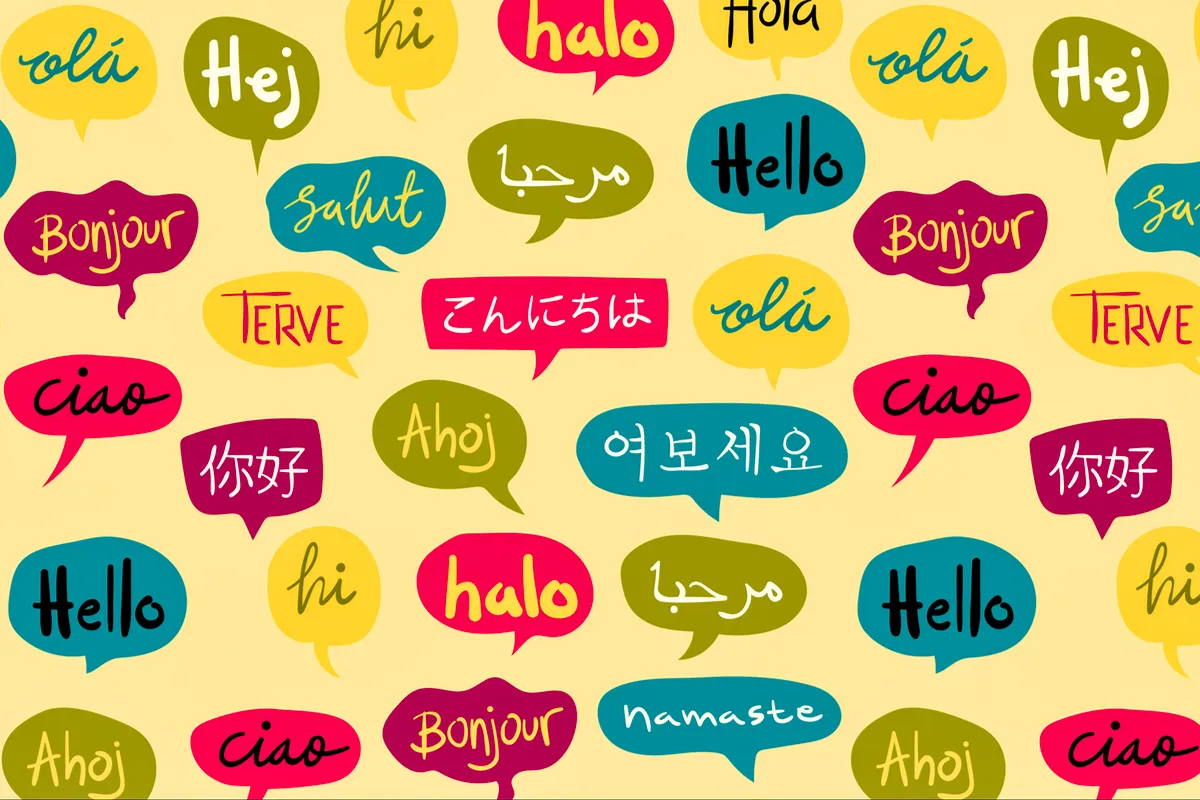
Men sağınar, Happy Minds! If you’ve been feeling like the world’s a bit unsettled lately, you’re not the only one. It’s hard to miss how many people, in so many different places, are having to leave behind everything they know in search of safety.
That’s why World Refugee Day is such an important date in our Inclusion Calendar. It’s a day to pause and think about the millions of people who’ve been forced to leave their homes behind.
But the word refugee can be a heavy one. It gets used a lot, but what it actually means — and who it describes — can sometimes get lost.
So I wanted to take a moment to unpack it a little. What does it really mean to be a refugee? And why does understanding it matter more than ever?

First up: what is a refugee, really?
Simply put, a refugee is someone who’s been forced to leave their country because staying would put their life in danger — because of things like war, violence, or persecution for their race, religion, political beliefs, or who they are.
And that word — forced — is important. Refugees aren’t moving for a new job or a change of scene. They’re running from danger, looking for safety in the most basic sense.
Another thing that’s often misunderstood: most people who flee don’t end up in faraway places. Many stay within their own country but move to safer areas — these people are known as Internally Displaced Persons (or IDPs). And when people do cross borders, they’re usually moving to neighbouring countries, not jetting halfway across the world.
Right now, around 60 million people worldwide have been forced from their homes. That’s more than the population of Italy, just to put it into perspective.

Some myths we really need to ditch
Myth #1: Refugees are just looking for a better life.
No — they’re looking for safety. This isn’t about chasing opportunities or luxuries — it’s about basic survival.
Myth #2: Most refugees end up in rich countries.
Actually, most are hosted by low and middle income countries — places that often have their own struggles but still find a way to open their doors.
Myth #3: Refugees are a burden.
When people are given the chance, they bring ideas, skills, businesses, art, community — they contribute. The key is making sure those chances exist.

Seeing the full picture
I watched a brilliant TED Talk recently by Benedetta Berti and Evelien Borgman, and there was something they said that really stuck with me: being a refugee is a situation — it’s not who someone is.
It’s easy to forget that behind the word are real people — doctors, students, artists, parents — people who had whole lives and futures mapped out before everything changed.
And when you look at it that way — when you see the person, not the label — it changes things. It turns distance into connection. It makes empathy feel a lot more natural.

Why does this matter?
Because words matter. Stories matter. The way we talk about refugees affects the way we treat people.
Understanding what it really means to be a refugee isn’t about charity or pity. It’s about recognising someone’s humanity. Their courage. Their right to feel safe and build a life, just like anyone else.
So this World Refugee Day, maybe we can all pause for a second — to look past the headlines, to really see the individuals behind the numbers, and to remember that at the end of the day, we all just want the same things: safety, hope, and a place to call home.
P.S.
If you’re curious and want to learn more (or find small ways to help), here are a couple of places to start:
UNHCR – The UN Refugee Agency — great for facts, stories, and ways to get involved.
Choose Love — a movement doing amazing work supporting refugees around the world.