
Finding the Words: Reflections on Pansexual Awareness Day

Growing Up Without Representation
Growing up in the suburbs of London in the 80’s and 90’s, was seemingly an uncomplicated time. We didn’t have the internet, had a ‘house phone’ we would use to make plans with friends, and then would use the illumination of the streetlights at the end of the day as the indication to head home.
I lived in a quiet town with little in the way of diversity, and although I didn’t know it at the time, my Great Uncle Clive who wore purple velvet pixie books and lived in a one-bedroom apartment in Brighton with his ‘best friend’ Ralph, was gay.
He, and my mother’s old school friend Andrew, who used to visit us on special occasions wearing opulent rings on each finger and was at times known to don a floor length satin cape, were the only gay people I knew.
Growing up I didn’t know much about politics. Margaret Thatcher was Prime Minister when I was born up until I was 10. I didn’t understand the significance of the miners’ strikes, or her controversial Poll tax, or the damage caused by Section 28 – a law enacted by Thatcher in 1988.
Section 28 prevented the ‘promotion’ of homosexuality by local authorities, and whilst in essence this meant that schools were not permitted to promote queer relationships, in reality it meant that during my entire schooling there was absolutely no reference same sex couples, schoolbooks only talked about ‘mummies and daddies’.
LGBTQ+ identities simply did not exist.

Knowing Before Having the Words
In 1994, when I was 14, I watched the first televised lesbian kiss on Brookside and imagined what it might be like to kiss the soft lips of a girl, and in that moment knew what I had long suspected – I probably wasn’t entirely straight.
Throughout my late teens I had boyfriends, and kissed girls in secret. In some ways it was a privilege that I could hide my sexuality behind liking boys. I could be straight on the outside and no one would question it. But I wasn’t straight, I didn’t know what I was – I simply didn’t have the language.
You see, Section 28 didn’t prevent queer people from existing, it just covertly removed their representation. It left people like me feeling odd, and different, and knowing that I wasn’t straight, but that I wasn’t a gay man in a cape or purple pixie boots either.

Finding Language and Identity
Learning about pansexuality later in life allowed me to put language to how I felt. For me, pansexuality means that I am attracted to a person and their gender doesn’t influence that attraction; it is a place where love transcends gender.
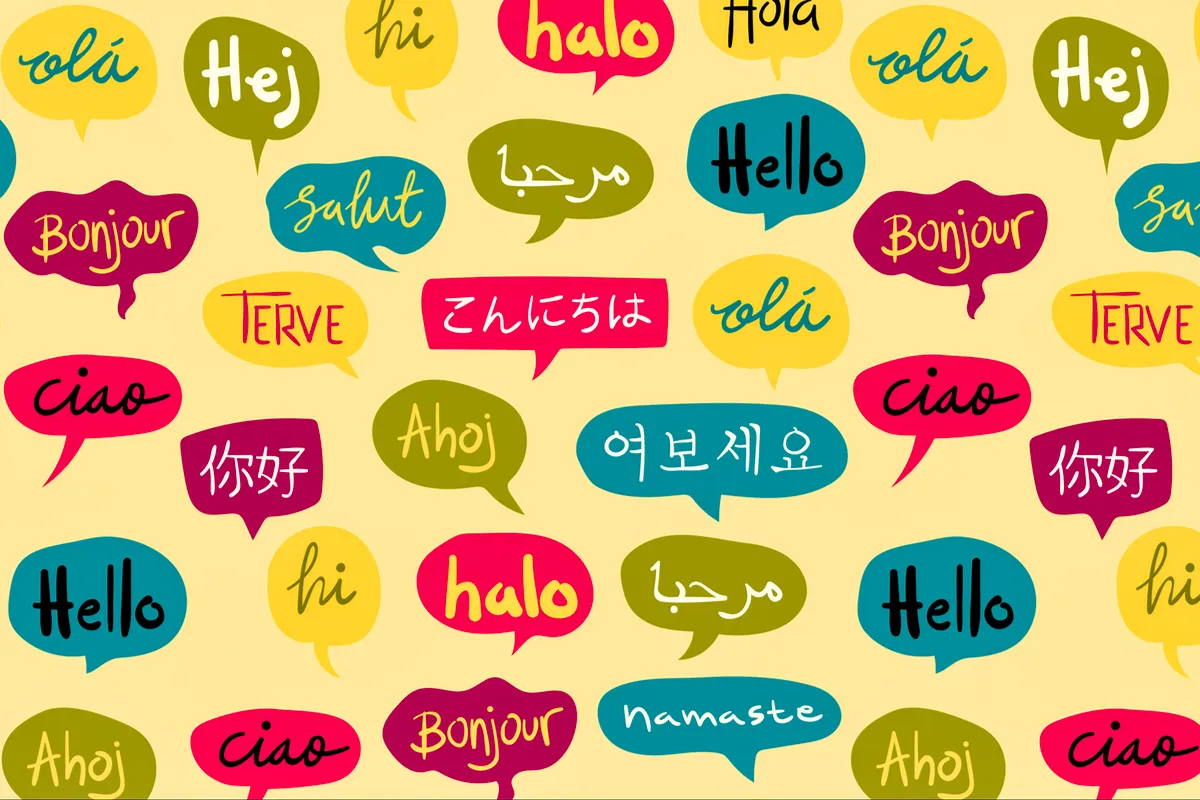
Some people hate the ‘all the labels that exist these days’, but I believe that the labels give us language, the language gives us understanding, and the understanding gives us courage to be ourselves unreservedly.
I finally came out at 41 because I got engaged to a woman and I didn’t want our relationship to be hidden behind closed doors because I was not ashamed of it. But I had spent many years hiding my sexuality through the outwardly heteronormative relationships I was in, for fear of experiencing discrimination. It has taken a long time to get to here, proud to be queer, and identifying as pansexual

Why Representation Still Matters
Representation matters – in schools, workplaces, and everyday conversations.
Being a queer person who speaks about their queerness can be a lifeboat to others, but this too is a position of privilege that many queer people cannot afford.
Denouncing laws that erode representation matters.
Being able to explore different labels without judgement until we find ones that fit is important, and offering compassion in a hostile world is true allyship.
Pansexual Awareness Day (coming up on May 24th) offers an opportunity to reflect, learn, and continue creating spaces where everyone feels seen, understood, and able to be themselves.