
The Weight of “Fine”
International Mens Health Week
He said he was fine. He always said he was fine.
You probably know someone like that. Maybe it’s your dad, who deflects every worried question with a joke and a change of subject. Maybe it’s your mate from work, who laughs a little too loudly when someone asks how he’s really doing. Or maybe, if you’re being honest with yourself, it’s you.

There’s this unspoken rule a lot of men seem to carry around — the idea that struggle is something to be managed quietly, handled privately, sorted out alone. Not because they don’t feel things deeply. They do. But somewhere along the way, many were taught that saying so out loud is the harder option. That it’s easier to keep moving than to stop and actually answer the question.
International Men’s Health Week (This week, the 15th – 21st June 2026) exists, in part, to gently push back on that. Not with lectures or lengthy statistics, but with something far simpler: the reminder that checking in on yourself, on the people you care about — matters more than most of us realise.
So, how are you actually doing?
The Weight of Carrying On
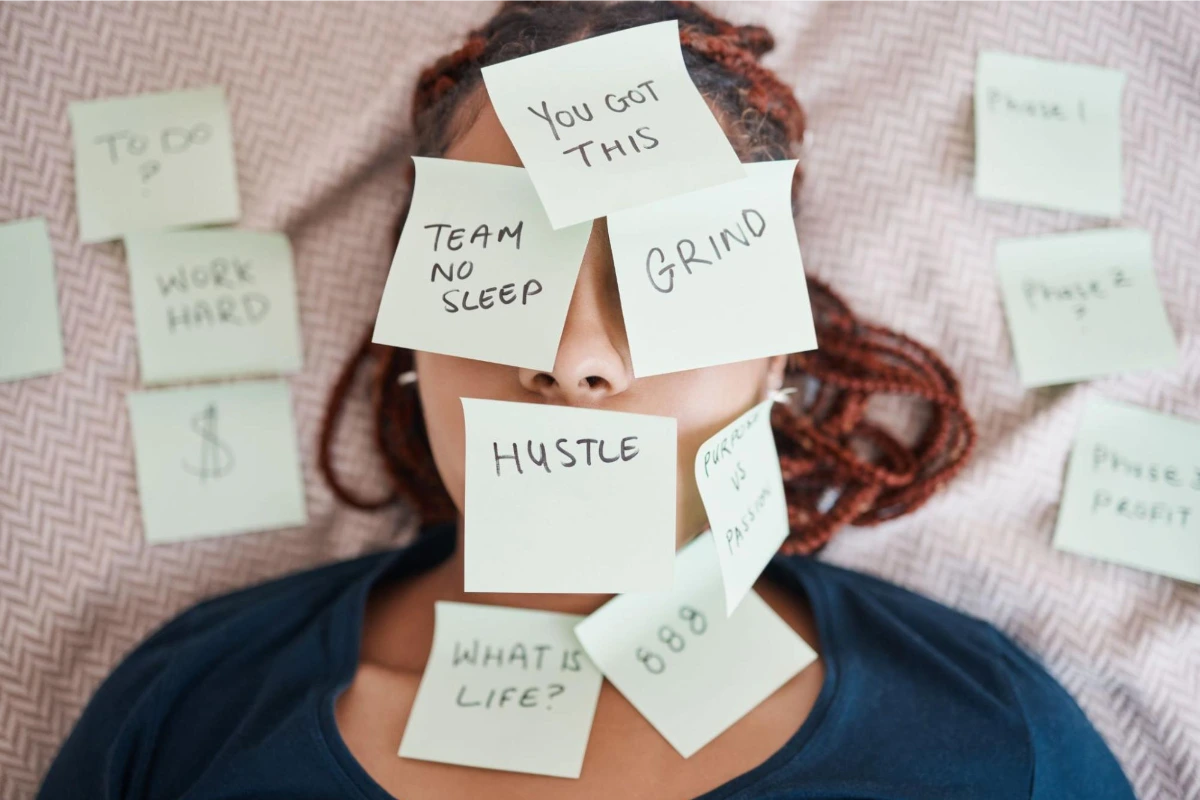
Most men don’t suddenly fall apart. It happens slowly, quietly — like water finding its way through a crack in a wall. The sleep that gets worse but never quite bad enough to mention. The irritability that gets blamed on work, on traffic, on anything except the real reason. The gradual pulling away from people you love, telling yourself you just need a bit of space.
The trouble is, “carrying on” gets confused with coping. And they’re not the same thing.
Coping means you’re actually dealing with something. Carrying on often just means you’re postponing it — pushing it further down so you can get through the day. It works for a while — until it doesn’t.
And in a workplace, this often goes unnoticed — because on the surface, everything still looks like it’s working.
This isn’t a character flaw. It’s a pattern. One that many men were handed without even realising it — shaped by childhood, by culture, by years of absorbing the message that emotional needs are somehow less urgent than everything else on the list. Understanding that is not a weakness. It’s the beginning of something much more useful.
What “Talking About It” Actually Looks Like
Here’s where the conversation often gets a bit clunky. Someone says, “men need to talk more,” and immediately, it conjures up an image that feels foreign — sitting across from someone, unpacking your feelings like you’re in a film. For a lot of men, that image alone is enough to make them switch off.

But talking doesn’t always look like that. Sometimes it’s a car journey where the conversation goes somewhere unexpected. Sometimes it’s a walk with a friend where you say, “honestly, I’ve been struggling a bit lately,” and the other person says, “yeah, me too.” Sometimes it’s writing something down just for yourself, not for anyone else to read.
The format matters less than the honesty. And the honesty doesn’t have to arrive all at once. It can come out in pieces — a little at a time, with people you trust, in moments that feel natural rather than forced.
What helps most isn’t a grand confession. It’s just a crack in the door.
The People Around You Are Watching
If you’re reading this and thinking, “this doesn’t really apply to me,” it might still be worth pausing on the people in your life.
Because sometimes the most important thing you can do during International Men’s Health Week isn’t to examine your own wellbeing — it’s to notice someone else’s. The friend who’s been quiet lately. The colleague who looks tired but insists everything’s fine. The brother you haven’t properly spoken to in weeks.
A message. A phone call. An invitation to go for a coffee or a walk. It doesn’t need to be a deep, emotional intervention. Sometimes just showing up — and by that, I mean genuinely showing up — tells someone that they matter. That they’re not invisible. That there’s someone on the other side who’d actually like to know how they’re getting on.
Men’s mental health doesn’t only improve through grand gestures or professional support, although both have their place of importance and significance. It also improves through ordinary moments of human connection. The kind that happens when someone decides to reach out, instead of assuming everything’s probably fine.
Small Things That Actually Help
There’s no single answer. But these are the things that tend to matter, quietly and consistently:
- Sleep. Not a luxury — a foundation. Almost everything feels harder when you’re chronically exhausted.
- Movement. Not necessarily the gym. A walk. A bike ride. Something that gets you out of your head and into your body.
- Honesty with at least one person. Not everyone. Just one person with whom you can be real.
- Recognising the signs early. Low mood, withdrawal, irritability, loss of interest — these are signals, not weaknesses.
- Knowing that asking for help is a decision, not a defeat.
This Week Is Just a Starting Point

International Men’s Health Week comes around once a year. But the conversations it starts, don’t have to end when the week does.
If this has prompted even a small moment of reflection — about your own life, or about someone you care about — then it’s already done something worthwhile.
Check in on your people. Let someone check in on you. And if you’ve been telling yourself you’re fine for a while now, maybe ask yourself honestly:
Am I?
You don’t have to have the answer straight away. But asking the question — that’s where it begins 💚
At HappyMind, we believe that well-being isn’t a destination. It’s a daily practice — and it looks different for everyone. If you found this piece helpful, share it with someone who might really need it today. If it made you think of someone, it might be worth reaching out.