
Adults Need Play Too
One thing I’ve noticed sitting across from hundreds of adults over my career, is that they rarely tell me they need more play.
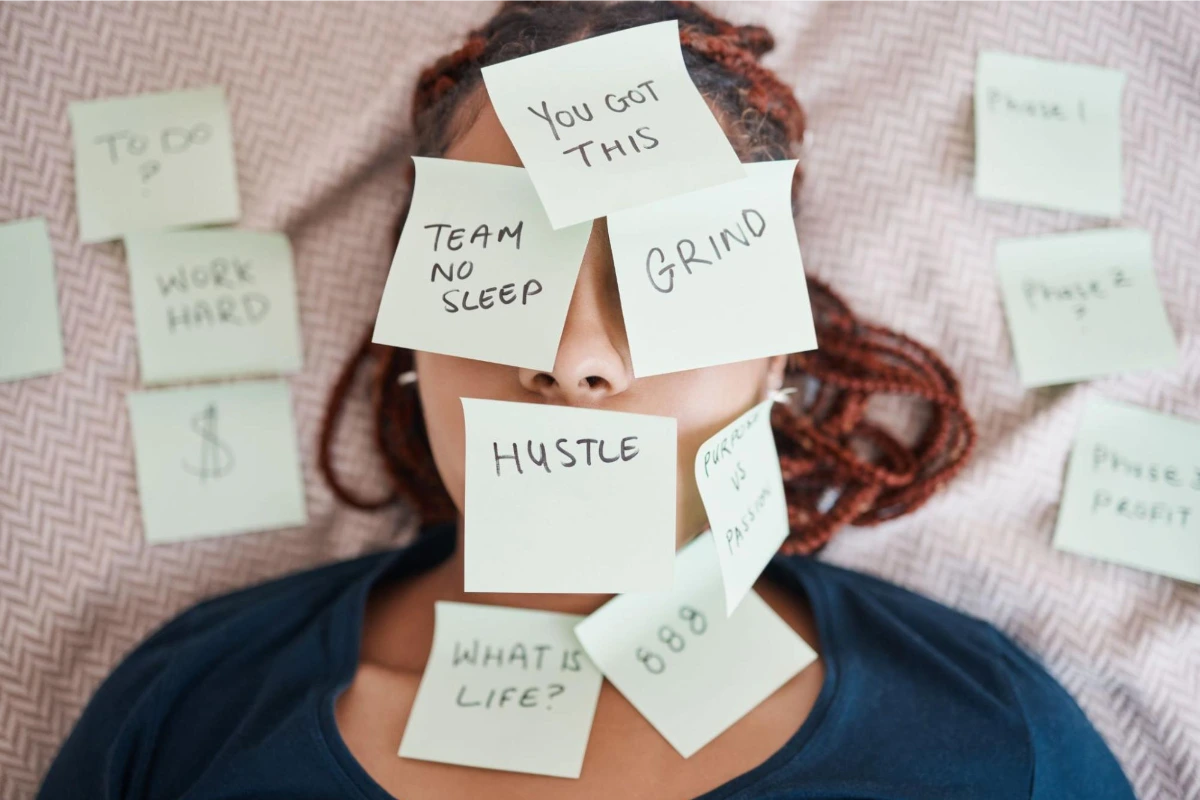
Instead, they tell me they’re burned out, stuck, flat, lonely. They tell me they’re not sure who they are anymore.
But it’s true – somewhere along the way, as we exited childhood and headed into the depths of ‘adulting’, lots of us stopped playing.
It wasn’t a conscious decision we made – it was a slow and gradual loss.
We quietly began to replace curiosity with productivity, silliness with self-consciousness, and joyfulness with usefulness. All of a sudden, play was a thing of the past.

And I get it, adult working life is full of responsibilities – things to get done, obligations to meet and days that are structured, busy and planned out.
We’re ‘on’ for huge portions of our week, making sure that tasks are completed, deadlines are met and to-do lists are ticked off.
For many of us, that also means meetings, inboxes, targets and performance expectations that leave very little room for anything that doesn’t feel immediately useful.
There’s very little space left sometimes for things that don’t have a clear purpose – and it can begin to feel like this is just what ‘adulthood’ is.
But is this just what adulthood is? Or can there be room for more?
What if play isn’t the reward for getting tasks done? What if it’s one of the key things that helps us feel resourced, rested and regulated enough to get the tasks done in the first place?
Put simply: play is not childish, frivolous or optional – it is a fundamental part of maintaining a healthy nervous system, supporting psychological wellbeing, and bringing our best selves to work and life.
When we’re operating from a space of constant ‘doing’ and stress, our attention naturally narrows.
We become more likely to scan for risk, anticipate problems and mentally rehearse all the things that could go wrong next – from tomorrow’s presentation or looming deadline to the ever-growing list waiting for us at home.
Our brains become incredibly efficient at meeting demands, but less able to step outside of them, and over time everything can start to feel like a factory line of recurring seriousness, responsibility and effort.
When we pause to play, even occasionally or in small amounts, we interrupt that pattern. We send a totally different message to our brain and body – namely, that we are safe enough right now.

And when the brain feels safe, our curiosity grows, our thinking becomes more flexible, our creativity returns and our mistakes begin to feel more survivable.
In fact, many of the skills modern workplaces value most – problem-solving, adaptability, creativity and collaboration – tend to flourish when people feel safe enough to explore, rather than simply survive.
So how does a rambunctious game of Monopoly or a 5-a-side kick-about help regulate our body and brains in practice?
Well first of all, play helps our nervous system learn that activation does not always equal danger.
Your heart rate can rise from laughter, excitement or from someone charging you double rent on Mayfair, just as much as it can rise from your manager asking if they can “have a quick word” after a meeting.
The body gets to practise what it feels like to be activated (perhaps heart rate up, attention focused, muscles tensed) while remaining in a safe, non-threatening environment.

Over time, the body becomes more familiar with experiencing nervous system intensity without immediately interpreting it as a problem. In simple terms, play helps us to regulate long after the moment of play has passed.
And play doesn’t only change what happens inside us, it changes what happens between us too.
In moments of play, we meet each other in a particular kind of shared safety. We share jokes, we laugh together, we compete with (or against!) each other and co-create something light and enjoyable together.
We try on new roles, outside of those we wear so consistently in our wider lives – that of manager, employee, leader, parent, partner, or carer – and try on different ways of being that aren’t defined by usefulness alone.

In workplaces, these moments can soften hierarchy, build trust and make it easier for people to feel like humans before they feel like job titles.
We become curious, creative and competitive in a way that feels alive and dynamic, rather than pressured.
‘So you’re telling me I just need to take up padel and all my problems will be solved?’
Not quite. But what I am saying is that introducing and prioritising opportunities for play could help regulate your nervous system, support your relationships, improve cognitive functioning and develop a more sustainable self-image – not just at work, but beyond.
So what’s stopping you? Well – probably a whole heap.
For many people, play no longer feels like it fits with their identity. You pride yourself on keeping all the plates spinning, on being serious, responsible and not the kind of person who ‘does that sort of thing’.
Perhaps there is a lack of emotional permission to risk looking silly or stepping out of how you think you’re supposed to be seen.
For others, it’s productivity conditioning – the belief that rest has to be earned, fun must be justified and guilt is the default response to any activity that isn’t ‘productive’.
Sometimes it’s simply time – life is busy, full and already stretched thin. You can’t imagine where play might possibly fit amongst the to-do lists and spreadsheets.
And often – it’s a combination of all of the above.
Which is why the answer is not going to be to immediately introduce an elaborate and ambitious play schedule into your already full life.
A weekly roster of rounders, Dungeons & Dragons, Uno and ultimate frisbee is not just unrealistic, it’s overwhelming.
So instead, consider starting small. In fact, consider reducing the threshold for what counts as play at all.
Because to feel the benefits of play, the play itself doesn’t need to be big, impressive or time-consuming – it just needs to be playful.
So lower the barrier to entry and simply aim to create micro-moments of joyful purposefulness.

Send a colleague a genuinely funny meme. Take a walking meeting. Spend two minutes doodling while you think through a problem. Start a meeting with a light question that has nothing to do with work. Boogie in the kitchen while the kettle boils.
The point isn’t to become someone who is constantly playful, but simply to invite moments of lightness and notice how that lightness can exist alongside a life that is still busy, responsible and stressful.
And perhaps, to remember that a playful workplace doesn’t mean an unproductive workplace; often it means a workplace where people have enough psychological safety to think, connect and contribute to their fullest.