
Menopause: Meno-What?

Menopause is having a well-deserved moment in the spotlight. And yet, it was only two years ago that I started learning about it. At work, of all places, on a menopause awareness training day.
With World Menopause Day approaching on the 18th October, it feels like the perfect time to share my own experience.
Menopause in the Workplace
I was blown away by my sheer lack of knowledge, particularly about the profound impact menopause can have on women’s mental health and just how serious that impact can become for some women.
As I sat in the training room with my colleagues, the fabulous woman leading the session showed us a slide listing the symptoms of perimenopause and menopause. The list seemed endless:
- hot flashes
- insomnia
- low motivation
- body aches
- thinning hair
- low mood and intense emotions, to name just a few.
It all resonated with me, and I felt somewhat relieved to finally understand what was happening in my body and mind.
There is more awareness now about how menopause can affect confidence, mental health and our ability to function at work.
When the impact becomes significant, it can leave women questioning their abilities, their confidence and even whether they can continue in roles they previously excelled in.

This happened to me.
Four years ago, I was a frontline social worker in child protection with undetected and undiagnosed ADHD. I’d got pretty darn good at masking, I guess, but when perimenopause hit, the mask fell off and all my coping strategies stopped working.
As a result, I felt like I couldn’t cope with the demands of the job. I felt emotionally overwhelmed and unsupported.
Underneath all of this was a lack of personal power that came from not understanding the stages of menopause or being aware of my own neurological vulnerabilities.
I didn’t have the knowledge to understand what was happening to me, so I blamed myself. I carried a deep-seated belief that I was too sensitive, that I couldn’t handle stress and that I just wasn’t getting this thing called life.
I always felt like everyone else had got the memo, and somehow it had skipped my mailbox.
Knowledge is Power
I wish I’d been better prepared for this time of life rather than scrambling around in the dark trying to make sense of it.
Imagine a world where young girls are educated at school about their whole life cycle and how it can impact them emotionally, physically and psychologically.
Without that knowledge, we can easily blame ourselves for what we don’t understand.
And the paradox is that, when navigated with tools, support and awareness, this can also be a beautiful and creative time of life.
The Peri-Chaos Struggle
Rewind 22 months.
I noticed a huge shift in my energy, emotions and mood. At points in my cycle, these changes felt super intense, destabilising and chaotic. I felt lost and confused and eventually decided, out of desperation, to try hormone replacement therapy (HRT).
I tried HRT for 18 months and, at first, it really did help. Over time, though, I could feel the constant input of hormones working against my system and began questioning whether this was the right course of treatment for me.
I wanted to experience what my baseline felt like without external hormones, so I made the choice to come off HRT.
Let me tell you, my baseline in the late luteal phase can only be described as luteal lunacy.
The lights went out. My personality changed. I was swept up in overwhelming waves of rage, despair and hopelessness, alongside intrusive thoughts and a desperate urge to leave my own body.
For the past three months, I’ve felt like I’ve been going into crisis a day or two before my period hits, and this has been frightening. I’m still uncertain whether coming off HRT abruptly has contributed, or whether things will eventually settle.
In the meantime, I’ve had to reach out and ask for support.
Leaning Into Support

While I watch and wait to see what happens next, I’ve needed to reach out to friends and family to make sure I’m connected and supported during that late luteal window.
My natural reaction was to isolate, but I recognised that this felt like a danger zone for me.
Once I reached out, shared my vulnerability and felt the love and support around me, something shifted.
I’m no longer dreading the late luteal phase in quite the same way.
When Everything Intersects
I was diagnosed with ADHD two and a half years ago, which I’m currently managing through lifestyle, nutrition and natural approaches while exploring options with professionals (from GPs to a shamanic practitioner, no stone is being left unturned!).
During my late luteal phase, I find my ADHD symptoms can become quite unmanageable.
I forget what I’m doing while I’m doing it. The brain fog can be so intense, especially in the morning, that simply managing myself and showing up for my day can feel extremely challenging.
The hormonal shifts I experience throughout my cycle can make an already challenging time even more difficult to navigate. Intense waves of emotion can dysregulate my nervous system and overwhelm me.
This is when I lean into grounding and regulation techniques through breath, sound and movement to bring my whole body and mind back into balance.

Understanding this has given me another layer of self-awareness.
Instead of asking myself:
“What is wrong with me?”
I can pause and ask:
“What is happening for me right now, and what do I need?”
That shift in question has been huge.
My Body. My Choice.
At the moment, I’m trialling natural approaches, consulting with an experienced homeopath and leaning into lifestyle and social support.
If this doesn’t work longer term, I’ve also spoken with my GP, and I know there are other options I can explore, from contraceptives to SSRIs to ADHD medication.
It’s a very personal journey for each of us.
There’s a wealth of psychoeducation out there: blogs, podcasts and developing research, but for me, there is also something incredibly powerful about listening to my own lived experience.
It’s about allowing my values, beliefs and lifestyle to be my compass while staying open to the support and options available to me.
I embrace earth-based practices: grounding, connecting to my body in nature and allowing the cycles of Mother Nature to inspire and inform me.
I am in the autumn of my life, and, to be honest, I find autumn the most beautiful, creative and inspiring season of them all. I am nearing completion of my own shamanic practitioner training, and this could not be arriving at a more potent time.
Know Thyself
After spells of struggle, I embarked on my own self as the experiment.
I tracked my cycle over a three-month period to gain insight into trends in my mood, sleep and energy at different points in my cycle. This level of awareness has been a reclaiming of personal power and a return to my body.
I now know, for the time being anyway, not to say yes to big social events, deadlines or starting new projects around my late luteal and menstruation phases.
One thing I’m learning is the fluid nature of being a woman, cyclical and wild in her nature.

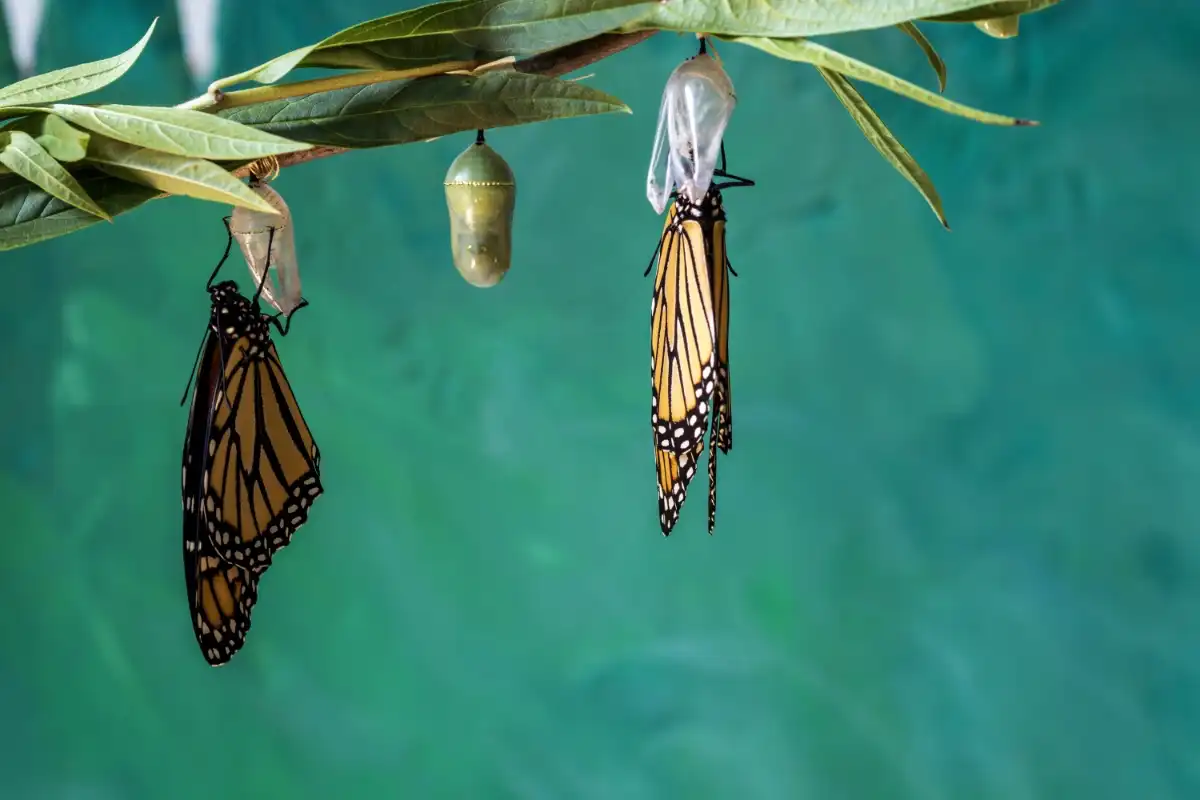
This journey has seen me surrender resistance and accept this stage of life for what it is: my very own heroine’s journey.
I’ve experienced what it is to be separate from myself, and what it feels like to return to my body.
And honestly, I’m on my way to living a more authentic, creative life from a place of personal power.
“Know thyself” has become the simplest and most profound mantra of my menopause journey.
It’s a rite of passage. A call to power. A return to the body.
This period of transition is part of the human experience.
We are not broken, and we do not need fixing.
We need knowledge.
We need support.
We need compassion.
And perhaps, most importantly, we need to reconnect with ourselves.
Sara 🫶🏻
Bring menopause awareness to your workplace
My own understanding of menopause began with a workplace training session. If you feel your organisation could benefit from greater awareness, understanding and support, go ahead and Get in touch to discuss HappyMind’s Menopause Awareness Course.
This article reflects Sara’s personal experience and is not medical advice. If you are experiencing symptoms or have concerns about your physical or mental health, please seek support from a qualified healthcare professional.