
Designing a Day You Actually Enjoy: Why People are Shunning Hustle Culture

Have you ever reached the end of the day, looked back at everything you crossed off your to-do list, and still felt strangely unsatisfied?
You answered a dozen emails and made progress on work, even washed and folded the laundry, and then squeezed in a workout. It was a productive day that should’ve made you feel proud.
But you’re still left feeling like you could’ve done more. There was that appointment you were supposed to book and the kitchen cupboards need reorganising. If you’d just been a bit more productive, you’d feel better.
For so long we’ve been taught that productivity is the goal. Success is something we measure in completed tasks, so our days get planned down to the minute. And it’s exhausting.
So what if we abandoned hustle culture and the need to achieve more and started planning our days around joy? What would it look like if the goal was to create a day you actually enjoyed living?
When Every Minute Becomes a Performance
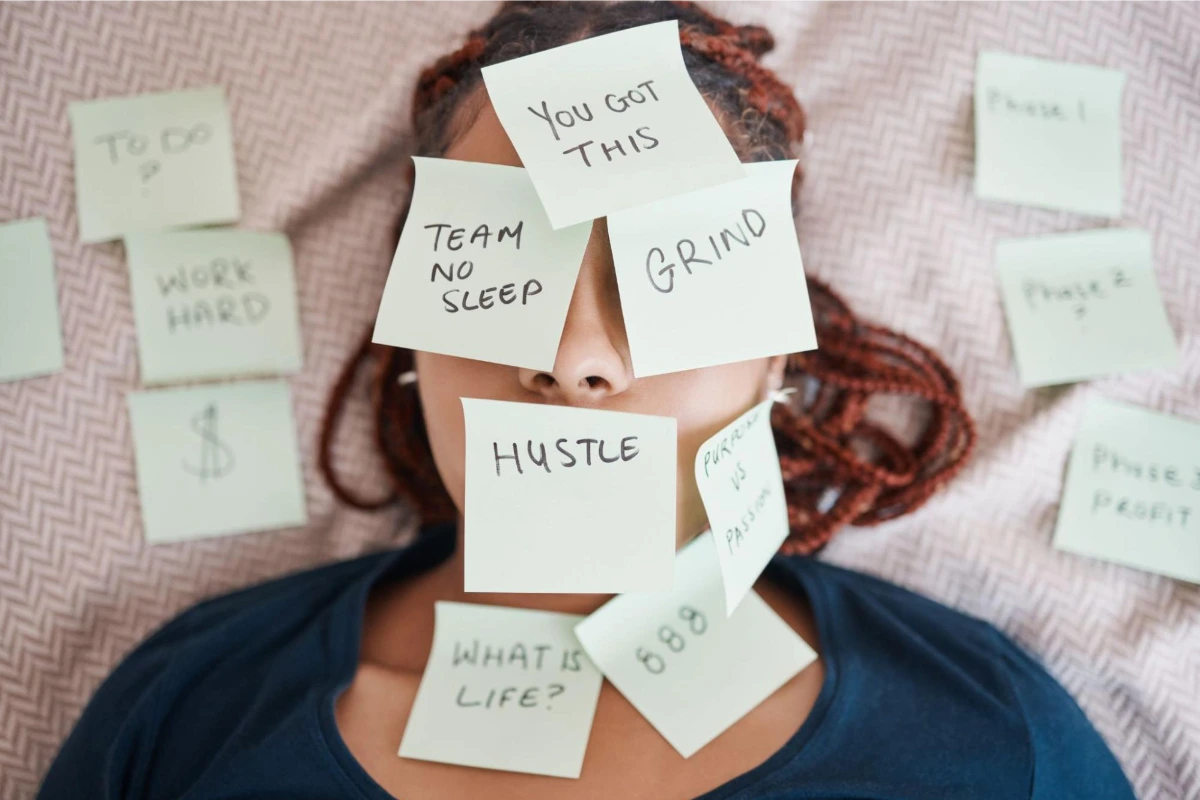
Hustle culture gripped an entire generation for years. Influencers would tell us about how they woke up at 4am to do a cold plunge and an hour of meditation before starting work.
Rest became something you “earned” through completing tasks, and if you weren’t keeping up with this 5-to-9 hustle culture, you were falling behind. And yes, you read that right. Hustle culture encourages you to optimise your “5-to-9” (5pm to 9pm) after your normal 9-to-5 workday. As if an eight-hour working day wasn’t enough.
And that influence filtered down into everyday life. How many of us have fit watches to count our steps and feel guilty when we don’t hit 10,000? Or monitors that measure our sleep quality and screen time?
Even hobbies that used to spark joy got turned into side hustles that need to make money to be worth doing.
Somewhere along the way, we stopped asking whether we were actually enjoying our lives.
Marysia Leigh wrote a great article on how spreadsheets can wait if you want more insight on the constant pull of being online.
Productivity Maxxing Is the New Hustle Culture
You might have seen the new iteration of hustle culture online calling itself productivity maxxing.
It takes it to a whole new level of optimising every minute of your day.
Wake up at 5am. Take an ice bath. Drink the perfect supplement stack. Journal. Meditate. Exercise. Read a chapter of a book. Hit your protein target. Learn a language. Build a side business. Track your sleep. Repeat tomorrow.
It’s insidious because each of those tasks alone seem beneficial. But it’s actually building a framework that you’re guaranteed to fail.
There’s no way to fully optimise your life, so you’re left chasing an endless goal. And no matter how “productive” your day looks, you’re exhausted and no more fulfilled by the end of it.
When Everything Has to Be Productive

Perhaps the biggest downside of productivity maxxing is that it changes the way we think about everyday life.
Reading becomes a challenge to finish more books. Walking becomes a step count. Cooking becomes meal prep. Meditation becomes another streak to maintain.
Even rest can start to feel like another task to complete before getting back to work.
When every activity has to justify its existence through self-improvement, we leave very little space for simple enjoyment.
Ironically, the moments that help us feel happiest are the ones with no measurable outcome.
Taking the time to make your favourite coffee and drinking it slowly in the garden isn’t “productive”. Painting a new piece of art that you never show a soul doesn’t further your career.
But maybe it’s time we ditch the need for constant optimisation and go back to something far simpler.
The Brain Science Behind Joy
From the time we’re toddlers we’re taught that joy is the reward. We get a treat when we finish our homework or pocket money when the chores are done.
And that quietly wires into our brains: joy is something we earn.
Finish your mile-long to-do list, make sure everyone is happy, and then (if there’s time left at the end of an exhausting day), you can relax.
The trouble is, that moment rarely comes. There’s always another email to answer, another load of washing to do or another task waiting for tomorrow. When happiness is always postponed until everything is finished, it becomes surprisingly difficult to find.
Psychology suggests we’ve got the order the wrong way around.
Experiencing positive emotions like joy, curiosity and contentment doesn’t just make life feel better in the moment, it actually changes how our brains work.
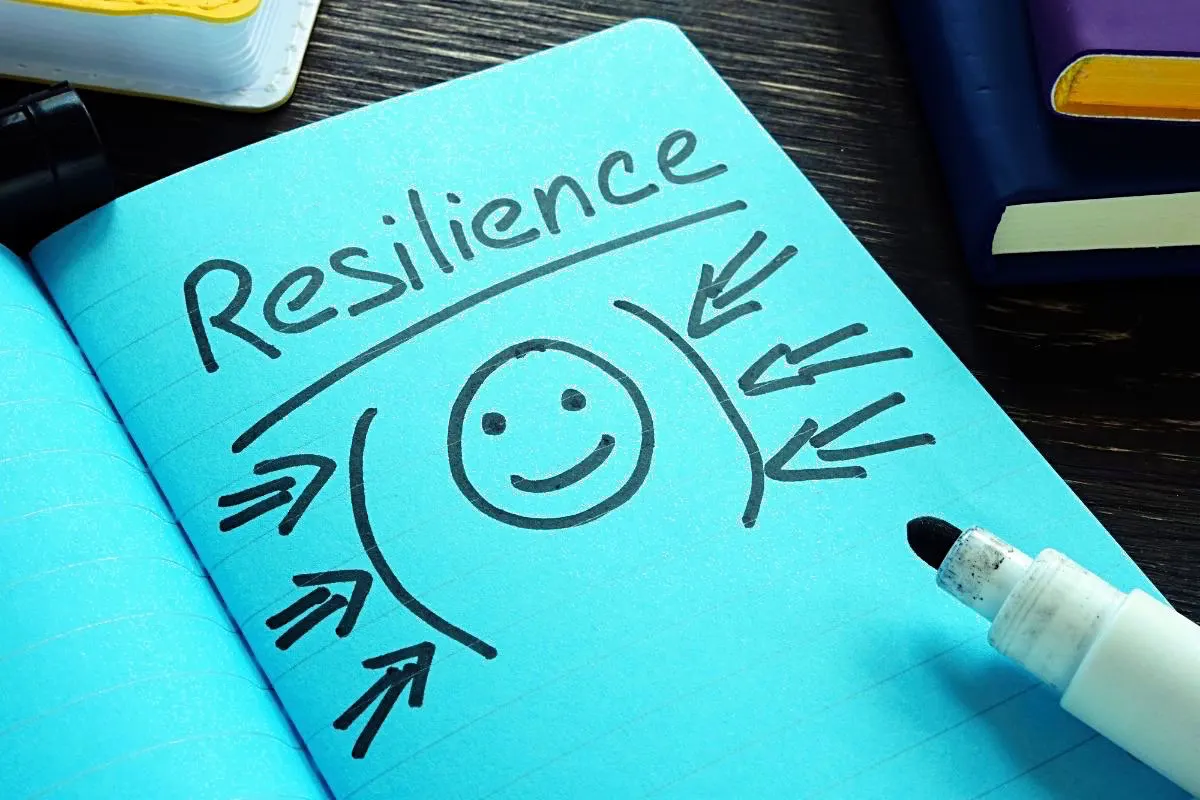
Research has found that positive emotions make us more creative and open to new ideas. They also help us build resilience, so we can better cope with challenges when they inevitably arise.

Ever noticed how your best ideas come when you’re walking the dog or taking a long shower, not staring at your computer willing inspiration to strike?
Joy also plays an important role in motivation. When we genuinely enjoy an activity, our brains release dopamine, reinforcing the behaviour and making us more likely to come back to it.
So, if you enjoy exercise, you’re more likely to stick to it. If you force yourself to go on a 5-mile run at 6am just because it feels productive, you’ll never stick to it. And if you do, it’s an exhausting chore that doesn’t really make your life better.
None of this means life should feel joyful every second of every day. We all have responsibilities and tasks we’d rather avoid (I’m looking at you, giant pile of laundry). But if your days contain no moments of enjoyment at all, it’s much harder to maintain your energy and mental wellbeing over the long term.
And what’s the point of life if not to enjoy it?
Five Ingredients of a Joyful Day
There’s no perfect formula for a happy day. I’d love to say that five-mile jogs bring me joy, but sadly I’m not wired that way. So now is the time for some soul-searching.
Give yourself permission to make a cup of tea, sit down with a notepad, and think about the things that truly bring you joy. Not because they’re productive or should be on your list. The things that genuinely bring you peace in this world.

Something to Look Forward To
Anticipation is surprisingly powerful. Having something to look forward to gives your brain a little lift before it even happens.
But it doesn’t have to be a holiday or a special occasion. In fact, constantly looking to the future for joy makes us miss out on what’s happening right now.
So instead, think of small, daily things you can look forward to. It could be trying a new café on your lunch break, watching the next episode of a series you love, cooking something you’ve never tried before in the evening.
Even on difficult days, having just one, small enjoyable moment waiting for you can make everything feel a little lighter.
Time That Doesn’t Need a Purpose
We’ve become so used to justifying our time that doing something “just because” can make us feel guilty.
But not every moment has to improve you or push you towards a goal.
Read three pages of a book without trying to hit a reading goal. Or wander around a garden centre with no intention of buying anything. Or sit outside for a couple of minutes and just watch the clouds go by.
Draw badly. Bake for fun. Listen to music without doing anything else at the same time.
Give yourself permission to spend even just five minutes doing something without a goal. It’s surprisingly refreshing and grounding to be in the moment for no reason other than joy.
Movement You Actually Enjoy
I used to force myself to the gym every day because I wanted to get stronger. But I hated the gym. It was loud and crowded and I always left feeling frazzled.
Moving your body should leave you feeling better, not punished. So choose movement you actually enjoy.

That might be a walk through your local park, dancing around the kitchen while dinner cooks, or gentle stretching before bed.
Remind yourself that joy is the point of it today, not some weight loss goal or guilt trip you’ve put on yourself. So what movement can you incorporate into your day that will leave you feeling lighter?
Real Human Connection
One of the strongest predictors of happiness (and studies have shown it over and over again) is the quality of our relationships.
But that doesn’t mean you need a packed social calendar to feel joy. If you’re an introvert like me, less is more in this category.
So, just text a friend you haven’t spoken to in a while, or stop for an extra minute to talk to your neighbour when you’re walking to your car. Or turn the radio off on the school run and have a deeper conversation with your little one.
In a world that encourages us to stay busy, making time for genuine connection is one of the kindest things we can do for ourselves.
A Little Breathing Room
When you’re caught up in hustle culture, a blank space on your calendar can feel like a wasted opportunity. So we fill it with emails and meetings or chores.
When you prioritise joy, it’s ok to have breathing space in your day. It’s actually encouraged.
When you purposefully leave a little white space in your calendar and protect it when life gets busy, you create room to slow down, notice what’s around you or simply take a breath before moving on to the next thing.
Life doesn’t have to be squeezed into fifteen-minute blocks. Sometimes the most productive thing you can do is allow yourself enough space to simply exist.

You Don’t Have to Choose Between Joy and Responsibility
It’s easy to read all this and think, that sounds lovely, but my life doesn’t work like that.
Maybe you’re juggling work deadlines and school runs and it feels like you’re doing all you can to keep your head above water. Some seasons of life leave very little room for long lunches or afternoons spent reading in the sunshine.
Designing a joyful day isn’t about pretending those responsibilities don’t exist. But your wellbeing matters just as much as everything else on your to-do list.
Adding the five ingredients of joy into your day breaks up the stress. It tells your brain to start looking for moments to be happy, and once you rewire it away from constant productivity, prioritising joy becomes the default.
There will always be more work to do. The washing basket will fill up again, and your to-do list will never reach a permanent state of completion.
If you’re waiting until everything is finished before allowing yourself to enjoy life, you’ll wait forever.
Joyful moments aren’t a distraction from life, they are life. We’ve just got to remember to look for them amidst the chaos.